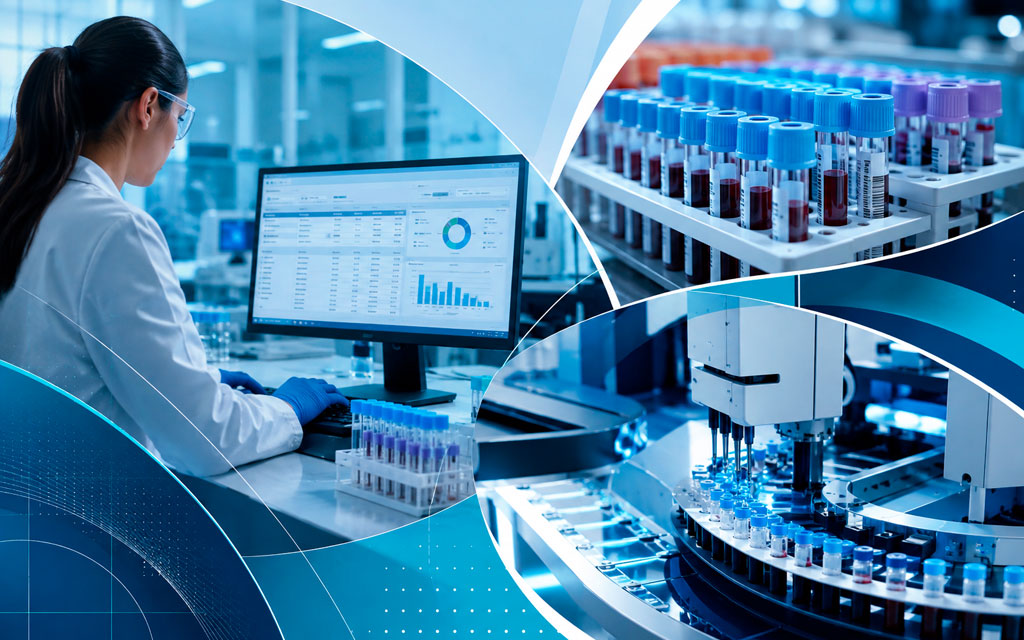

Digital transformation in laboratories has gone from being a trend to a strategic necessity. After all, laboratory routines are becoming increasingly demanding, with a higher volume of tests, a need for traceability, and pressure for faster results.
However, many managers still wonder: where to begin this process?
In this article, you will understand the first steps to begin a structured, safe, and truly efficient transformation.
What does it mean to digitally transform a laboratory?
First of all, it’s important to clarify that digital transformation is not just about installing new software.
In practice, this involves integrating technology into the processes, decisions, and culture of the laboratory. In other words, it encompasses everything from automating technical routines to strategic management based on data.
Furthermore, digitization makes it possible to reduce human error, increase productivity, and improve the experience for both patients and doctors.
Therefore, the goal is not just to modernize, but to make the laboratory smarter and more competitive.
1. Map your current processes.
First, it is essential to understand how the laboratory functions today.
- Where does rework occur?
- At which stages is there the greatest risk of error?
- Is there excessive manual typing?
- Does the laboratory have integrated equipment?
Without this initial diagnosis, any investment in technology can become just an additional cost.
Therefore, process mapping is the starting point for consistent change.
2. Invest in a structured LIS system.

Next, the next step is to evaluate the laboratory management system.
An efficient LIS system allows:
- Full traceability of samples
- Reducing manual typing
- Automated results generation
- Integrated quality control
- Strategic indicator management
Furthermore, a modern LIS facilitates integration with equipment, preventing transcription errors and increasing data reliability.
Consequently, the laboratory gains agility, security, and standardization.
3. Automate equipment interfacing.
One of the biggest operational bottlenecks is still the manual entry of results.
However, with interfacing, the equipment sends data directly to the system, drastically reducing human error.
In this way, in addition to increasing the reliability of the results, the laboratory saves time and reduces rework.
Therefore, this is one of the steps with the greatest immediate impact on the routine.
4. Use data for decision making.
Many laboratories possess data, but few use this information strategically.
With BI tools integrated into LIS, it is possible to monitor:
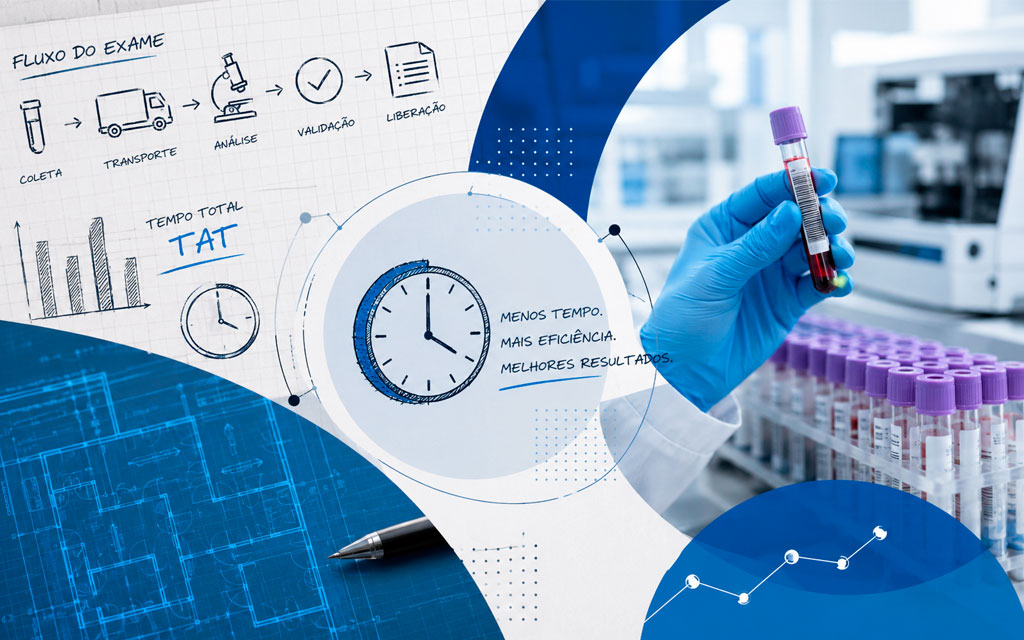
- Average time for test results to be released
- Most frequently requested tests
- Rework rates
- Operating costs
- Performance by sector
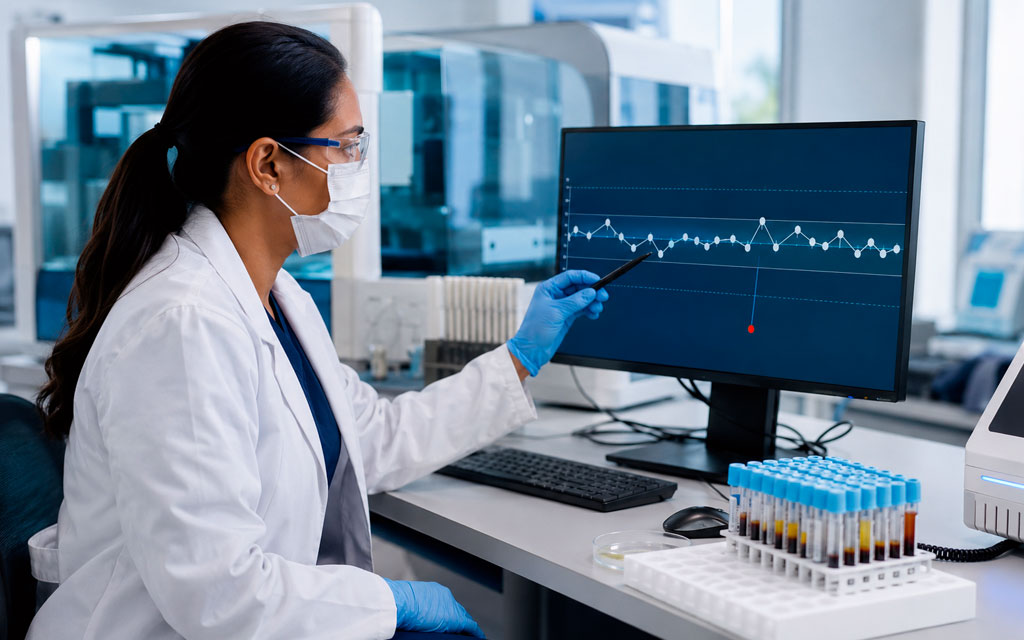
Thus, decisions cease to be based on perception and begin to be based on concrete indicators.
Furthermore, management becomes more predictable and strategic.
📌 READ ALSO: What is a LIS system and why is it essential for clinical laboratories?
5. Prepare the team for the change.
No digital transformation happens through technology alone.
It is essential to involve the team, explain the objectives of the change, and provide adequate training.
Otherwise, internal resistance may compromise the expected results.
Therefore, aligning culture and technology is an indispensable step for the success of the process.
Common mistakes when starting digital transformation.
Despite good intentions, some mistakes can delay the laboratory’s progress:
- Implementing technology without planning
- Choosing systems that don’t communicate with each other.
- Ignoring the importance of technical support
- Not defining performance indicators.
Therefore, the strategy should be gradual, structured, and guided by clear objectives.
Conclusion: start with what generates the most impact.
Digital transformation in laboratories doesn’t have to happen all at once.
On the contrary, it can start with the points of greatest operational impact, such as the LIS system and equipment interfacing.
As processes evolve, new steps can be implemented more safely.
If done strategically, digitization not only modernizes the laboratory, but also strengthens its competitiveness, safety, and sustainability in the market.
📲 Want to understand how to start the digital transformation in your lab?
💬 Contact us via WhatsApp: (11) 94075-1513